


Importance of learning about animal sounds
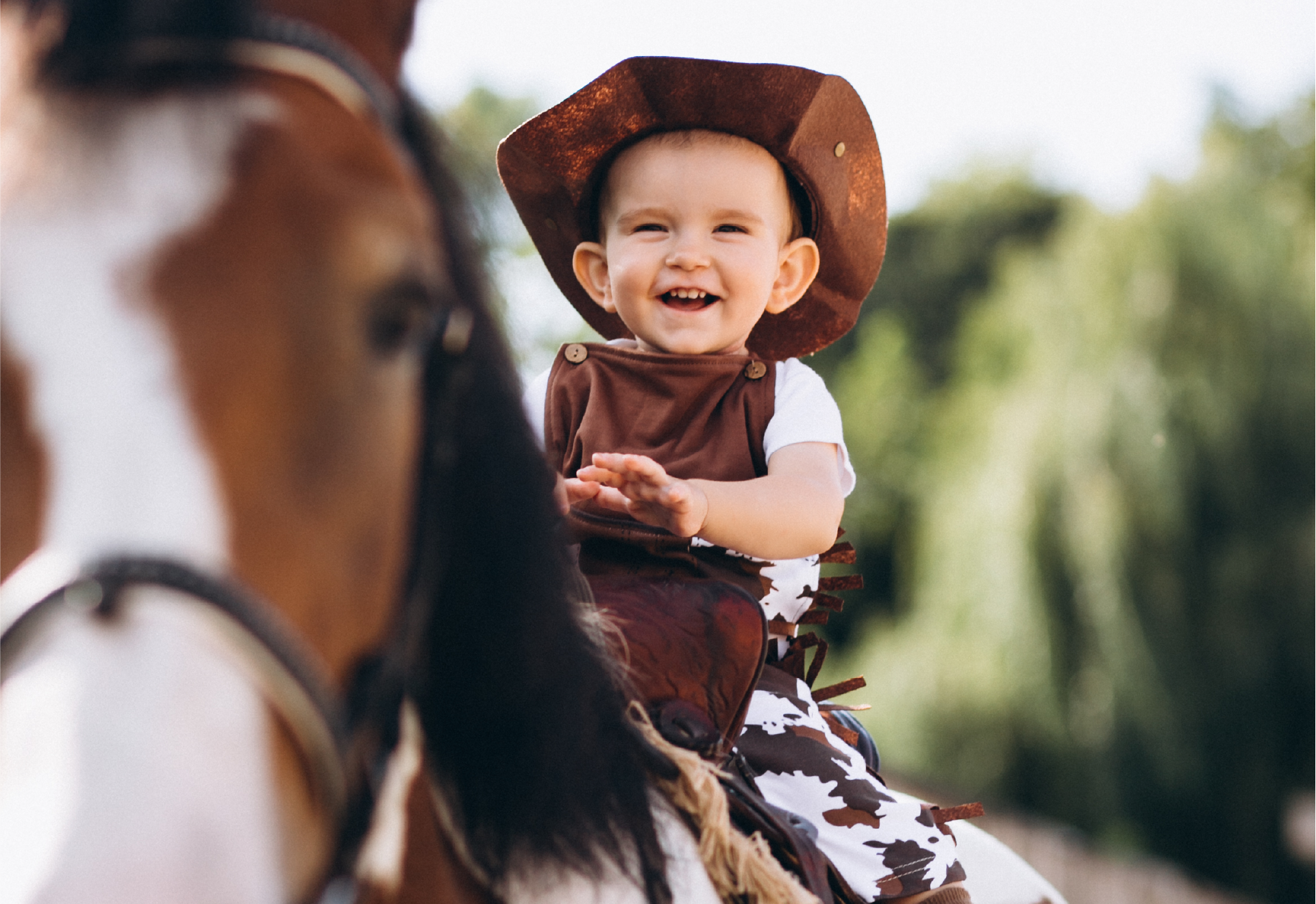
The dogs go woof, cats meow, birds go tweet and the mice go squeak. To toddlers and preschoolers, animals can be endlessly fascinating, mostly because they seem just as silly, noisy and cute as little kids. Lots of tots are more than happy to learn about furry or feathered friends.
Teaching children farm animal names and sounds might feel a little silly, but these sounds help children reach developmental milestones faster. Not only do they guarantee a lot of fun and giggles along the way but once children can verbally attempt to mimic these sounds and associate them with the animal, you will notice that their language development takes off shortly after. In fact, this is just one of the many benefits!
Here are five surprising benefits of teaching farm animal vocabulary to toddlers and young children:
1. Word pronunciation
Farm animal words also provide an opportunity for babies and toddlers to practice the many sounds we use in English. Words like “Moo!” and “Chirp!” use a wide variety of phonemes, the sound a letter (or group of letters) make in a word. While other farm animal words — think words like “pig” or “duck” — feature consonants pronounced at the front of the mouth, making them more detectable to children. Both are vital language building blocks that prepare your child to speak, read, and write.
2. Building blocks for sentences
Once your child learns simple farm animal words, they will be able to start stringing them together or with other words to create meaning. Basic phrases like “cow moo” may sound simple, but this is the start of sentences. Expose your child to a mix of nouns and verbs to help encourage these connections. By learning them early on, they’ll be able to comprehend and follow simple directions later on in school, such as “hop like a bunny” or “run like a horse.”
3. Cognitive development
Not only are the sounds important for kids to imitate, but there is a cognitive development component to communicating too. When you ask your little one, “what do the sheep say?” They must first listen, comprehend the question you are asking, and then respond with the animal sound. Which is a lot of processing for kiddies! So starting with something simple like connecting the animal to the sounds (or vice versa) can help develop these vital cognitive skills.
4. Precursor to reading
When your child learns how to associate a picture of a cow (symbol) with “moo” (sound) they are forming the building blocks of their reading skills. When learning how to read, children need these skills to visually distinguish between letters and then associate the letters (symbols) with the sound they make. Then they will need to use auditory processing skills to recall letter sounds. Finally, they will have to remember a sequence of sounds to read words (e.g. /p/ – /i/ – /g/ = pig; /h/ – /o/ – /r/ – /s/ –/e/ = horse)!
5. Learn more about the world
Teaching children about the sounds that farm animals make not only helps develop their reading, writing and speaking skills, but it is also a great starting point for teaching them how to be empathetic not only to the creatures of our world but to others too. It can also spark their natural curiosity about things like “where does milk come from?” or “what does a horse eat?”
Suddenly animal sounds don’t sound so silly anymore, right? So start making sounds with your kids today, the sooner the better! You’ll find that your little one already knows quite a bit by the time they are 2 – 3 years old, and teaching farm animal vocabulary will only further prepare them for Grade R and beyond. With that being said, the beauty about teaching animal sounds is that it can be taught at any age, and if your child can’t list all of the farm animals quite yet, simply seeing pictures of them and hearing their names and sounds can still provide them with a valuable foundation.
You can introduce your little one to the world of a ‘moo’ and ‘baa’ with simple activities!
First, make animal sounds with your toddler a few times and then see if they can mimic sounds by themselves. You can also turn snack time into a lesson with Farm World Fruit Snacks! These farm animal-themed interactive snacks are perfect for getting your toddler to recognize the different farm animals with the help of all the Farm World friends like Willow, Bisi, Slim, Ned and Kluck! Farm World Fruit String Snacks are also great for helping little people develop those fine motor skills, which are needed to perform important tasks such as feeding themselves, grasping objects, and writing.
As your kiddies learn and their vocabularies grow, you can make these games more complex by pretending that you’ve forgotten a certain animal sound or end up making the wrong one. For instance, saying that a cat “moo’s” instead of “meows.” You can also ask questions like “what does a chicken say?” or you can ask them where the animal might live. Or even ask them to move like the animal. You will be pleasantly surprised to hear all that your little one knows when they proceed to educate you! There are so many ways to make learn farm animal sounds fun, just be creative and be prepared for all the giggles!
Learning with your little one is hard! So don’t forget to give them a healthy snack like Farm World Fruit Snacks to help to satisfy their hunger between meals and boost energy. Learn, play, and create with Farm World Snacks, all the while working on fine motor skills and filling up your belly, too! A healthy fruit treat that will ensure they are getting all of the nutrients they need to fuel their growth and development. Eating and enjoying healthy snacks encourages kids to develop healthy eating habits. If you would like to read more about healthy eating for children, check out our blog.
Disclaimer: The information is meant solely to be educational and informative. It is not meant to diagnose or treat any speech, language, or learning disorder. If you have any concerns, please contact a qualified speech-language pathologist or paediatrician.